
The Soul's Blueprint: Decoding the Silent Language of Your Home
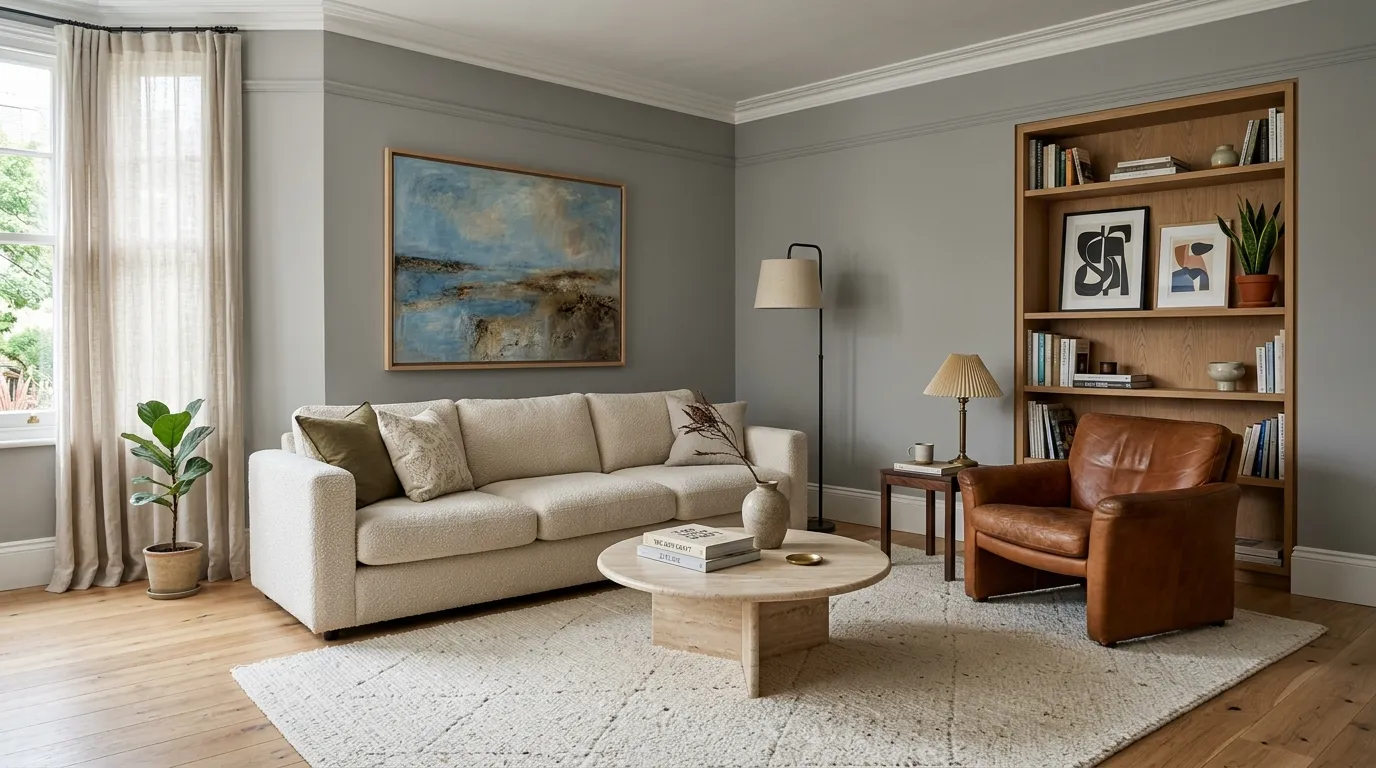
Our homes are far more than mere physical structures that provide shelter; they are tangible manifestations of our inner landscapes, acting as mirrors that reflect our deepest values, anxieties, aspirations, and memories. Every choice we make concerning our living environment—from the foundational layout to the smallest decorative object—is a subconscious declaration of who we are and how we perceive the world around us. This deep-dive exploration for "The Home Files" will move beyond superficial aesthetics to uncover the fascinating psychology of space. We will examine how our environments actively shape our moods, behaviors, and sense of self, transforming the concept of interior design from a stylistic exercise into a profound journey of self-discovery. Consider the calm, curated living room pictured above: its balanced proportions, natural materials, and thoughtful composition are not just visually pleasing, but are designed to evoke a specific psychological state of tranquility and groundedness. By understanding this silent language, we can empower ourselves to create spaces that not only look beautiful but also resonate authentically with our souls.
The Psychology of Placement: Why Where Things Go Matters
The arrangement of furniture and objects within a space exerts a powerful, often unconscious influence on our psychological state and behavioral patterns. Environmental psychology tells us that our brains are constantly scanning our surroundings for cues related to safety, social interaction, and resource accessibility. A well-conceived layout creates a sense of order and predictability, which significantly reduces cognitive load and anxiety. Conversely, a chaotic or poorly functioning floor plan can generate low-level stress and a feeling of being unsettled. Consider the concept of "prospect and refuge," an evolutionary theory suggesting we prefer spaces that offer a view of our surroundings (prospect) while providing a secure location from which to observe (refuge). The armchair tucked into the corner by the bookshelf in the featured image perfectly exemplifies this, creating a protected nook for solitary relaxation that still feels connected to the larger room. Furthermore, the placement of seating determines social dynamics; sofas facing each other encourage conversation, while seating oriented towards a television dictates a more passive form of engagement. Understanding these spatial dynamics allows you to align your home's layout with the behaviors and feelings you wish to cultivate.
The Emotional Spectrum: Color and Light as Narrative Tools
Color and light are perhaps the most immediate and visceral elements through which a home communicates its mood. They are not merely decorative choices but powerful tools that can regulate our circadian rhythms and evoke specific emotional responses. The field of color psychology has long established links between certain hues and human behavior. For instance, blues and greens are generally perceived as calming and restorative, often lowering heart rates and promoting focus, while warmer tones like yellows and reds can be energizing but also overstimulating if used in excess. The sophisticated, muted palette of greys, beiges, and natural wood tones seen in the provided image creates an atmosphere of serene neutrality, acting as a calm canvas for life to unfold. Light, both natural and artificial, is equally crucial. Abundant natural light is scientifically proven to boost mood and productivity by regulating serotonin levels. In contrast, the warm, localized pool of light from a floor lamp, as seen in the image, creates a sense of intimacy and enclosure, perfect for winding down in the evening. By mastering the interplay of color and light, you can literally sculpt the emotional landscape of your home.
Tactile Tales: The Subconscious Comfort of Materials
In an increasingly digital and intangible world, our connection to the physical, tactile environment of our homes has become more critical than ever. Our sense of touch provides direct pathways to our nervous system, influencing our perception of comfort and security on a primal level. This is where the concept of biophilia—our innate tendency to seek connections with nature—plays a significant role in design. Incorporating natural materials like wood, stone, leather, linen, and wool helps to ground us and reduce stress. These materials possess inherent irregularities and textures that are deeply satisfying to the human psyche, unlike the sterile perfection of man-made synthetics. The featured image is a masterclass in textural interplay: the nubby boucle fabric of the sofa contrasts with the smooth, cool surface of the travertine coffee table; the supple leather of the armchair plays against the organic weave of the jute rug and the soft drape of the linen curtains. This rich variety of tactile experiences creates a subconscious sense of depth and comfort, making the space feel welcoming and "lived-in" rather than showroom-perfect.
The Art of Curation: Objects as Anchors of Identity
The objects we choose to display in our homes are not random; they are the tangible artifacts of our personal history, values, and aspirations. They serve as anchors of our identity, reminding us of where we've been, what we love, and where we hope to go. However, there is a fundamental difference between mindless accumulation—clutter—and mindful curation. Clutter is often a physical manifestation of delayed decisions or emotional attachments that no longer serve us, creating mental noise and anxiety. Curation, on the other hand, is an intentional act of selecting items that hold genuine meaning or aesthetic value. The bookshelf and art in the provided image demonstrate this principle effectively. The books suggest an intellectual curiosity, the framed abstract art indicates an appreciation for modern aesthetics, and the small ceramics imply a value for craftsmanship. Each item appears chosen with care, contributing to the overall narrative of the room without overwhelming it. When you curate your home, you are essentially writing your autobiography in three dimensions. The key is to regularly audit your possessions, keeping only those that resonate with your current self and letting go of the rest.
From Fortress to Sanctuary: The Historical Evolution of Domestic Space
To fully appreciate the psychological significance of the modern home, it is helpful to understand its historical context. For much of human history, the primary function of a dwelling was essentially practical: protection from the elements and potential threats. Homes were often fortified, communal, and purely functional. The concept of the home as a private sanctuary, a place for emotional sustenance and individual expression, is a relatively modern construct, gaining significant traction in the West after the Industrial Revolution. As work moved outside the home into factories and offices, the domestic sphere became increasingly idealized as a refuge from the harsh realities of the public world. This historical shift has culminated in our contemporary understanding of home as a critical component of mental well-being. We now expect our living spaces to do more than just house us; we need them to heal us, inspire us, and provide a buffer against an often chaotic world. This evolution highlights why the connection between our inner selves and our outer environment has become so profound and essential.
The Modern Refuge: Designing for Mental Wellness in a Hyper-Connected World
In our current era of hyper-connectivity and relentless information overload, the role of the home as a sanctuary for mental wellness has never been more acute. Our brains are not designed for the constant barrage of digital stimuli we face daily, leading to chronic states of low-level stress and attention fragmentation. Therefore, modern home design must actively prioritize the creation of spaces that facilitate decompression and digital detachment. This trend, often referred to as "slow living" or mindful design, emphasizes the creation of quiet corners and unplugged zones dedicated to analog activities like reading, contemplation, or conversation. The setup in the featured image—with a comfortable armchair, good lighting, and a bookshelf by a window, all notably absent of screens—is the archetype of such a modern refuge. It is a physical invitation to slow down, disconnect from the digital noise, and reconnect with oneself. Designing for wellness now means consciously creating barriers against intrusion and cultivating spaces that support mental stillness.
Breathing Room: The Profound Power of Negative Space
In the pursuit of creating a home that reflects our inner world, what we choose to leave out is just as important as what we put in. Negative space—the empty areas surrounding furniture and objects—is a crucial, yet often overlooked, element of design that has a profound psychological impact. Just as silence gives meaning to sound, negative space gives meaning to the objects within a room. A space that is packed to capacity with furniture and decor can feel oppressive and claustrophobic, leaving no room for the eye to rest or the mind to wander. It creates visual noise that translates into mental clutter. Conversely, the strategic use of negative space creates a sense of calm, clarity, and possibility. It allows the architecture of the room to breathe and highlights the beauty of individual pieces. The living room in the provided image utilizes negative space effectively. There are clear pathways for movement, and surfaces like the coffee table and bookshelves are not overcrowded. This isn't about stark minimalism, but rather about allowing enough "breathing room" for the inhabitants to feel unburdened and free within their own home.
Auditing Your Space: A Practical Guide to Inner-Outer Alignment
Aligning your home with your soul's blueprint is an ongoing process that begins with honest observation. To start, you must walk through your home with fresh eyes, as if you were a stranger seeing it for the first time. Instead of asking, "How does this look?" ask yourself, "How does this make me feel?" Pay close attention to your somatic responses as you move from room to room. Do your shoulders tense up in the cluttered home office? Do you feel a sense of calm upon entering your bedroom, or is it just another space filled with unfinished tasks? Identify the friction points—the areas that consistently cause frustration, anxiety, or a drain on your energy. These are the spaces where your outer environment is out of alignment with your inner needs. Once identified, you can begin the process of mindful editing. This doesn't necessarily mean a complete renovation; it often involves simple acts like decluttering a troublesome surface, changing the lighting in a dark corner, or rearranging furniture to improve flow. The goal is to incrementally reduce friction and increase harmony, creating a space that actively supports the person you are today.
Conclusion
Ultimately, your home is a dynamic, ever-evolving entity, much like your own psyche. There is no final, static state of perfection to achieve. Instead, the process of designing and living in your home is an ongoing dialogue between your inner self and your outer environment. As you grow, change, and experience life, your needs for your physical space will inevitably shift. By learning to decode the silent language of your home—understanding the psychological impact of placement, color, texture, and objects—you gain the power to consciously curate an environment that nurtures you on a fundamental level. The journey of creating a home that truly reflects your soul's blueprint is, in essence, a profound journey of self-discovery and self-care, one that yields dividends in your daily well-being for years to come.

No comment