
The Soul Print of Home: Unlocking the Hidden Language of Your Living Space
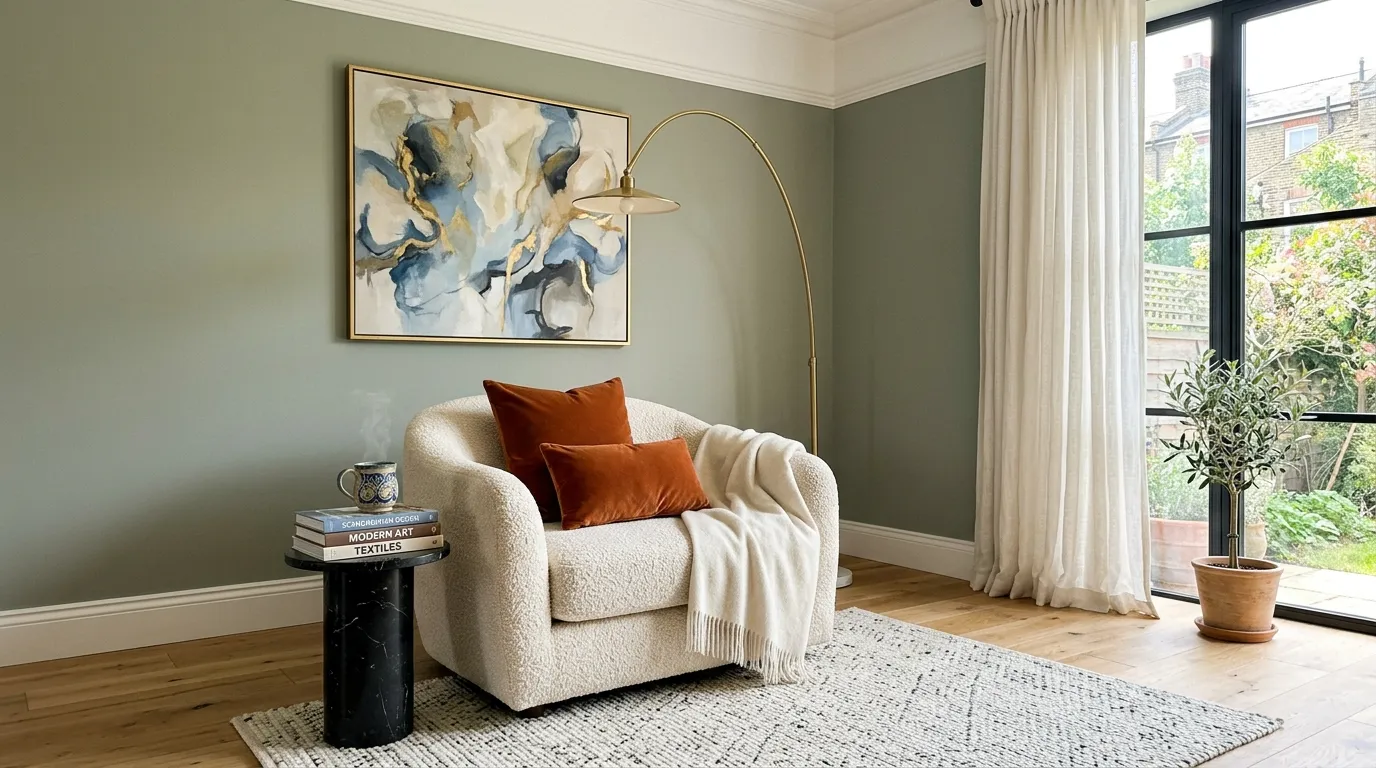
Our homes are far more than mere shelters constructed of brick and mortar; they are living, breathing manifestations of our inner selves, serving as a tangible canvas upon which we project our personalities, values, and emotional needs. Every object we choose to display, the colors that adorn our walls, and the textures that invite our touch collectively form a unique "soul print"—a spatial fingerprint that reveals the intricate workings of our minds and the natural rhythms of our daily lives. This article delves deep into the subtle psychology of interior design, exploring how the arrangement of a room, like the serene and thoughtfully curated corner pictured, is not a random act but a subconscious dialogue between our internal state and our external environment. By learning to read this hidden language, we can transform our living spaces from simple dwellings into profound sanctuaries that nurture our well-being, reflect our authentic selves, and support the lives we aspire to lead. Welcome to a deeper understanding of home.
The Psychology of Color: Emotional Landscapes on Your Walls
The colors we instinctively gravitate towards act as a direct reflection of our emotional baselines and psychological needs. In the featured space, the dominant sage green wall color is not merely a trend; it is a psychological anchor, deeply rooted in biophilia—our innate human tendency to seek connections with nature. This hue is inherently restorative, known to lower heart rates and reduce anxiety, suggesting a resident who values tranquility, balance, and a retreat from the chaotic outside world. Yet, this calm is masterfully juxtaposed with the rich, earthy rust tones of the velvet pillows. This color, associated with warmth, grounding, and a touch of passion, prevents the space from feeling sterile or overly subdued. It introduces a layer of emotional depth and comfort, indicating a need for both serenity and a secure, embracing warmth. The interplay between these colors reveals a complex inner world that seeks harmony between a peaceful mind and a grounded spirit, demonstrating how our color choices are rarely arbitrary but are instead subconscious attempts to regulate our moods and create emotional equilibrium within our sanctuaries.
Texture as a Tactile Language: Comfort and Sensory Engagement
While color addresses our visual senses, texture speaks a primal, tactile language that profoundly influences our sense of physical and emotional comfort. A home devoid of textural variety can feel flat and uninviting, whereas a thoughtfully layered space, like the one shown, offers a rich sensory experience that soothes the nervous system. The bouclé armchair is the protagonist here; its looped, nubby fabric is inherently inviting, signaling softness, warmth, and a casual, unpretentious type of luxury. It begs to be touched and sat in, catering to a desire for envelope-like comfort and security. Contrasting this is the smooth, plush pile of the velvet pillows, adding a layer of opulence and refinement that feels soothing against the skin. The jute-blend rug underneath provides a grounding, slightly gritty counterpoint, connecting us to the earth. Even the smooth, cool surface of the black marble side table and the sleek brass of the floor lamp contribute to this dialogue. A person who curates such diverse textures is likely highly attuned to their sensory environment, seeking a home that doesn't just look good, but feels profoundly supportive and engaging to the touch.
The Art of Curation: What We Keep Defines Who We Are
In an age of rampant consumerism, the act of thoughtful curation has become a powerful form of self-expression. The objects we choose to keep and display act as physical manifestations of our values, interests, and personal history. They are the artifacts of our lives. In the image, the absence of clutter is palpable. Instead, we see a deliberate selection of items: a stack of books on art and design, a single, large-scale abstract painting, and a unique ceramic mug. These are not random fillers; they are cues to the inhabitant's identity—perhaps an appreciator of aesthetics, a lifelong learner, or someone who values quiet contemplation over noisy distraction. The single, impactful piece of art above the chair replaces a gallery wall, suggesting a preference for focus and singular statements over a multitude of voices. This minimalist yet warm approach reveals a disciplined mind that values quality over quantity, seeking clarity and intentionality in their surroundings. What we choose to live with is a constant affirmation of who we are, and a curated home is the ultimate reflection of a curated life.
Light and Rhythms: How Architecture Shapes Our Daily Dance
Our daily biological rhythms, or circadian rhythms, are intrinsically tied to the cycles of natural light. The architecture of a home, particularly the placement and size of its windows, plays a crucial role in regulating these rhythms and, consequently, our energy levels and mood throughout the day. The floor-to-ceiling window in the image is a powerful architectural feature that floods the space with natural light, connecting the indoors with the passing of time and the seasons outside. A person who positions their primary relaxation spot—the armchair—next to such a light source is subconsciously prioritizing a connection to the natural world and the benefits of daylight. This setup invites morning rituals like reading with coffee in the early light, or winding down as the sun sets in the evening. It reveals a lifestyle that is attuned to the sun's arc, where daily activities flow in harmony with the available light. The presence of the floor lamp further supports this, offering a controllable, warm glow for evening tasks, ensuring the space remains functional and cozy long after the sun has gone down, thus supporting a balanced day-night routine.
The Sanctuary Corner: Carving Out Space for the Self
Every home, regardless of its size, needs a dedicated sanctuary—a physical space explicitly designed for solitary recharge, reflection, and the unwavering practice of self-care. The vignette in the image is a quintessential example of such a sanctuary. It is a self-contained ecosystem of comfort, featuring a supportive chair, good lighting, a surface for a drink and a book, and a comforting throw blanket. This isn't just a seating area; it's a physical boundary against the demands of the outside world and the other inhabitants of the house. The existence of such a well-defined "me spot" indicates a resident who understands the psychological necessity of solitude and has proactively created a space to facilitate it. It speaks to a need for mental stillness and a place to decompress, process thoughts, and simply *be* without the pressure to perform or interact. Prioritizing such a space is a powerful act of self-love, acknowledging that in order to show up fully in other areas of life, one must first have a place to replenish their own reserves.
Bringing Nature Indoors: The Biophilic Connection to Well-being
Humans possess an innate, genetically determined affinity for the natural world, a concept known as biophilia. Integrating natural elements into our living spaces is not merely an aesthetic choice but a fundamental requirement for our psychological and physiological well-being. The olive tree potted by the window is more than just a decorative plant; it is a living, breathing entity that introduces organic form, unpredictable growth, and a sense of vitality into the static built environment. Its presence has been scientifically shown to reduce stress, lower blood pressure, and improve cognitive function. Furthermore, the care required by a plant—watering, pruning, observing its growth—establishes a nurturing ritual that grounds us in the present moment and fosters a sense of responsibility and connection to life beyond ourselves. Combined with the wooden flooring and natural fabrics, the plant reinforces the home's connection to nature, revealing a soul that seeks the calming, restorative power of the organic world even when indoors.
The Future of Home: Moving towards Intentional and Sustainable Living
As we look towards the future of residential design, a significant shift is occurring away from disposable, trend-driven decor and towards a more intentional, sustainable, and psychologically supportive approach to living. The "soul print" of the future home will be defined not by the accumulation of "stuff," but by the mindful selection of pieces that are ethically produced, built to last, and deeply resonant with the inhabitant's values. We are moving into an era where the emotional durability of an object—how long we love and keep it—is just as important as its physical durability. Spaces will be designed with a greater emphasis on mental health, incorporating principles of neuroarchitecture to create environments that actively reduce stress and promote cognitive function. This means a continued focus on natural materials, calming color palettes, adaptable lighting, and spaces that foster connection and mindfulness. The home of the future will be a true partner in our well-being, a space that evolves slowly and thoughtfully alongside us, reflecting a deeper collective consciousness about how we live and what we truly need to thrive.
Conclusion
Your home is a relentless mirror, reflecting back to you not just your aesthetic preferences, but the very essence of your being—your anxieties, your joys, your habits, and your deepest needs. By learning to interpret the "soul print" of your living space, you gain a powerful tool for self-discovery and personal growth. Look around your home with fresh, objective eyes. What story is it telling? Does it support the person you are today and the person you aspire to become? Remember that a home is not a static museum but a dynamic, living entity that should evolve as you do. Embrace the process of intentional design, and you will find that in shaping your home, you are, in a very real sense, reshaping yourself.

No comment