
Your Home's Secret Diary: Decoding the Hidden Language of Your Design Choices
Have you ever walked into a room and immediately felt a sense of calm, or conversely, a wave of low-level anxiety? Our homes are far more than mere shelters; they are living, breathing manifestations of our inner worlds. Every design choice, from the color on the walls to the arrangement of furniture, acts as a subtle entry in a secret diary, chronicling our unwritten life stories. This phenomenon goes beyond mere aesthetics, delving into the realm of environmental psychology where our surroundings reflect our personalities, past experiences, emotional needs, and future aspirations. This article for "The Home Files" invites you to step back and become an anthropologist in your own home. We will explore the deep connection between design and identity, helping you to decode the silent language of your space and understand what it reveals about the person you are when the world isn't watching.
The Palette of Your Personality: Color as an Emotional Language
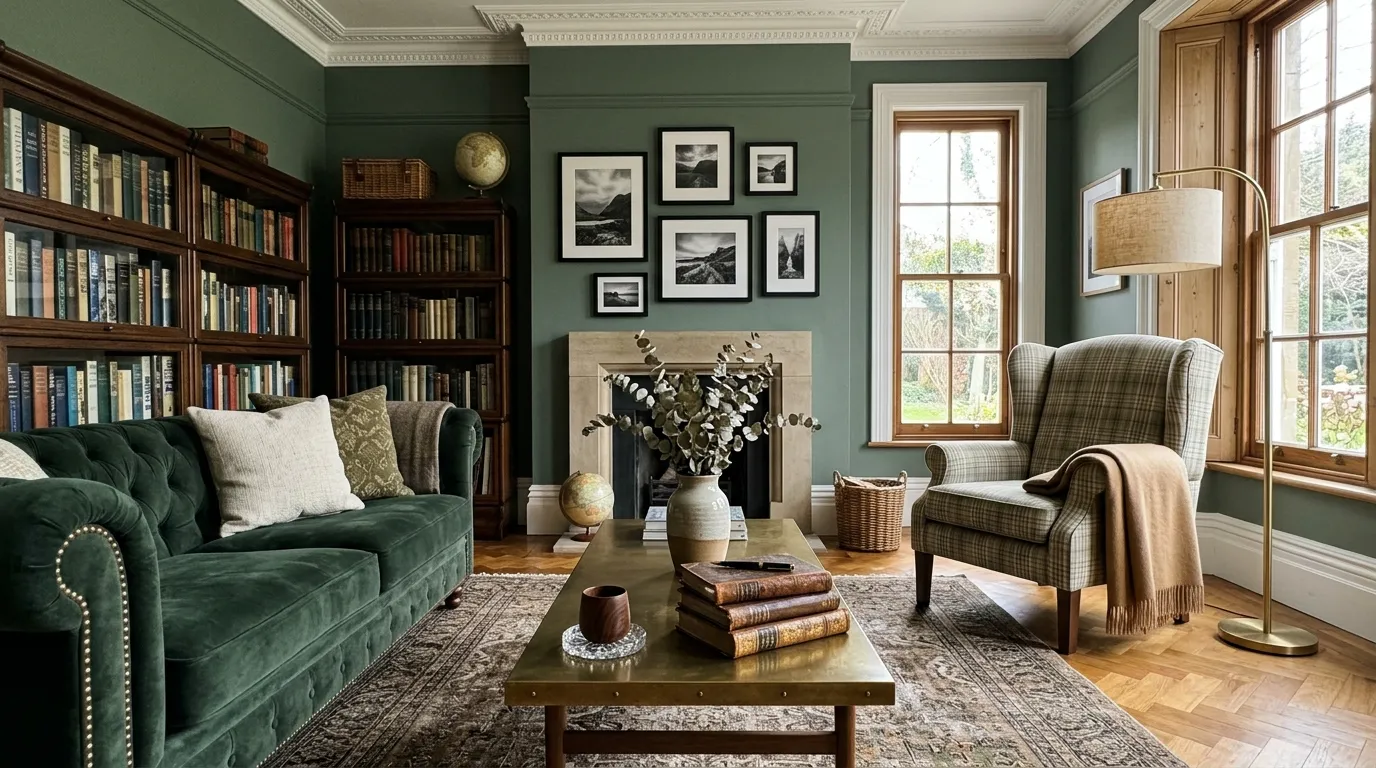
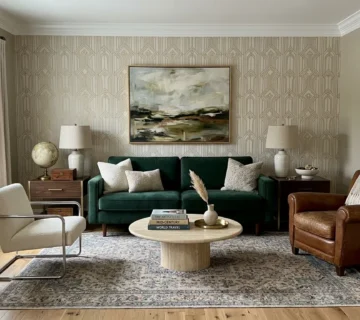
The colors we choose to surround ourselves with are perhaps the most direct expression of our emotional state and personality traits. While trends may dictate the 'color of the year,' our personal choices often stem from a deeper, more psychological place. A preference for muted, earthy tones like sage greens, soft terracottas, or creamy beiges often indicates a desire for grounding, stability, and a connection to the natural world. These spaces act as sanctuaries, reflecting a personality that values calm and introspection. Conversely, a home filled with vibrant, saturated hues—think jewel-toned blues, energetic yellows, or bold reds—suggests an outgoing, expressive nature that thrives on stimulation and social interaction. Even the absence of color in an all-white, minimalist aesthetic speaks volumes, often pointing to a need for clarity, order, and a mental clean slate. Understanding your personal color palette is the first step in reading your home's diary, revealing whether your subconscious is seeking a soothing retreat or a vibrant stage for life.
Architectural Body Language: What Floor Plans Reveal About Boundaries
Just as body language communicates non-verbal cues, the architectural layout of a home reveals how we navigate relationships and boundaries. The rise of the open-concept living space, which merges kitchen, dining, and living areas, often reflects a desire for transparency, connection, and a communal lifestyle. It suggests a homeowner who values togetherness and whose life is integrated rather than compartmentalized. However, a shift back towards more defined rooms with doors and distinct functions can indicate a need for privacy, separation between work and leisure, and a respect for individual space within a household. A home with many cozy nooks and smaller, distinct rooms might belong to an introvert who recharges in solitude, while a vast, flowing space might be the domain of an extrovert who loves to host. Your floor plan is a physical manifestation of your social boundaries and how you choose to interact with the people in your life.
The Archives of Memory: Curating Sentimental Objects
Our homes are the museums of our lives, and the objects we choose to display are the exhibits. A carefully curated bookshelf, a gallery wall of family photos, or a collection of souvenirs from travels are not just decor; they are tangible anchors to our past. They tell the story of where we've been, who we've loved, and what we value. The way these items are displayed—whether they are proudly showcased as focal points or tucked away in private corners—reveals our relationship with our personal history. A home filled with cherished heirlooms and mementos suggests a person deeply connected to their roots and sentimental about their journey. However, there is a fine line between being a historian of your own life and being weighed down by it. An overabundance of past artifacts, to the point of clutter, can indicate a difficulty in letting go or a fear of the future, whereas a complete absence of personal items might suggest a desire to reinvent oneself or a detachment from the past.
The Aspirational Space: Rooms That Represent Who We Want to Be
Many homes contain a space that is beautifully designed but rarely used—the proverbial formal dining room that only sees action on holidays, or the pristine guest room that awaits a hypothetical visitor. These are aspirational spaces, representing a version of ourselves that we strive to be. The formal dining room may symbolize a desire to be the consummate host, bringing people together for elegant meals, even if daily life is more about quick dinners on the sofa. A dedicated home office, perfectly appointed with a stylish desk and organized shelves, might represent professional ambition and a disciplined work ethic, regardless of how often it's actually used for productive work. Recognizing these spaces for what they are allows us to understand our goals and ideals. The challenge lies in bridging the gap between the aspirational self and the real self, ensuring that our homes support our actual lives while still holding space for our dreams.
Order and Chaos: The Psychology of Clutter and Minimalism
The state of organization in a home is a powerful indicator of a person's mental state and their need for control. A highly organized, minimalist home where every object has a purpose and a place often reflects a personality that values order, efficiency, and clarity. For these individuals, an uncluttered environment is essential for a calm mind, and physical clutter translates directly into mental stress. On the other end of the spectrum, a home filled with 'organized chaos'—piles of books, art projects in progress, and a general abundance of possessions—can belong to a highly creative, spontaneous individual who finds inspiration in visual abundance and doesn't prioritize rigid order. However, when clutter becomes overwhelming and disorganized, it can be a sign of stress, anxiety, or a feeling of being out of control in other areas of life. Your home's level of order is a mirror of your internal world, revealing your coping mechanisms and your relationship with control.
The Evolution of Style: How Your Home Grows with You
Just as we evolve as individuals, so too does our personal style and the way we design our homes. A person's first apartment, often furnished with hand-me-downs and budget finds, reflects a stage of experimentation and resourcefulness. As we move through life—building careers, starting families, or entering new phases—our homes shift to reflect these changes. The transition from a trend-driven aesthetic to a more timeless, curated look often signals a growing sense of self-confidence and a move away from seeking external validation. A sudden desire to renovate or completely redefine a space can coincide with a major life milestone, such as a new job, a breakup, or an empty nest, representing a physical manifestation of an internal transformation. By looking back at the design choices of your past homes, you can trace the trajectory of your personal growth and see how your environment has adapted to support the person you were becoming.
The Sanctuary Seekers: Biophilia and the Need for Nature
In our increasingly digital and urbanized world, there is a growing trend towards incorporating natural elements into home design, a concept known as biophilia. This is more than just a design aesthetic; it's a subconscious response to a deep-seated human need to connect with nature. A home filled with houseplants, natural light, organic materials like wood and stone, and nature-inspired textures suggests a homeowner who is seeking refuge from the high-tech world. These elements have been proven to reduce stress, improve mood, and enhance creativity. The presence of a 'jungalow' style with an abundance of greenery, or a more subdued design featuring raw wood furniture and linen textiles, indicates a person prioritizing mental well-being and creating a sanctuary for restoration. This design choice is an active attempt to counter the effects of modern life and create a space that nurtures the soul through a connection to the natural world.
Writing Your Next Chapter: Mindful Design for the Future
Once you understand the secret language of your home, you can begin to write its next chapter with intention. Mindful design is about moving beyond trends and creating a space that authentically supports the life you want to live. Start by editing your home's story. Let go of objects that no longer resonate with you or that are tied to negative memories. This is not just about decluttering, but about releasing the past to make room for the future. Next, introduce elements that align with your future self. If you want to cultivate more peace, bring in softer colors and create a dedicated meditation corner. If you want to foster connection, rearrange your living room to encourage conversation. By consciously curating your environment, you are not just decorating; you are actively shaping your future and using your home as a powerful tool for personal transformation. Your home is a living vision board; design it to reflect the life you are stepping into.
Conclusion
Your home is a dynamic, living entity that constantly communicates with you and the world. It is a faithful mirror, reflecting your joys, your struggles, your history, and your dreams. By learning to read its secret diary, you gain an invaluable tool for self-discovery. Look around your space with fresh eyes. What story is it telling? Is it a story of comfort and connection, or one of chaos and unresolved pasts? Remember that you are the author of this ongoing narrative. You have the power to edit, revise, and rewrite the story your home tells, creating a space that not only reflects who you are today but also nurtures the person you are becoming. Embrace the power of mindful design, and let your home be the most beautiful and authentic chapter of your life story.

No comment