
The Unspoken Story of Your Sanctuary: Decoding the Deep Psychology of Home and Self
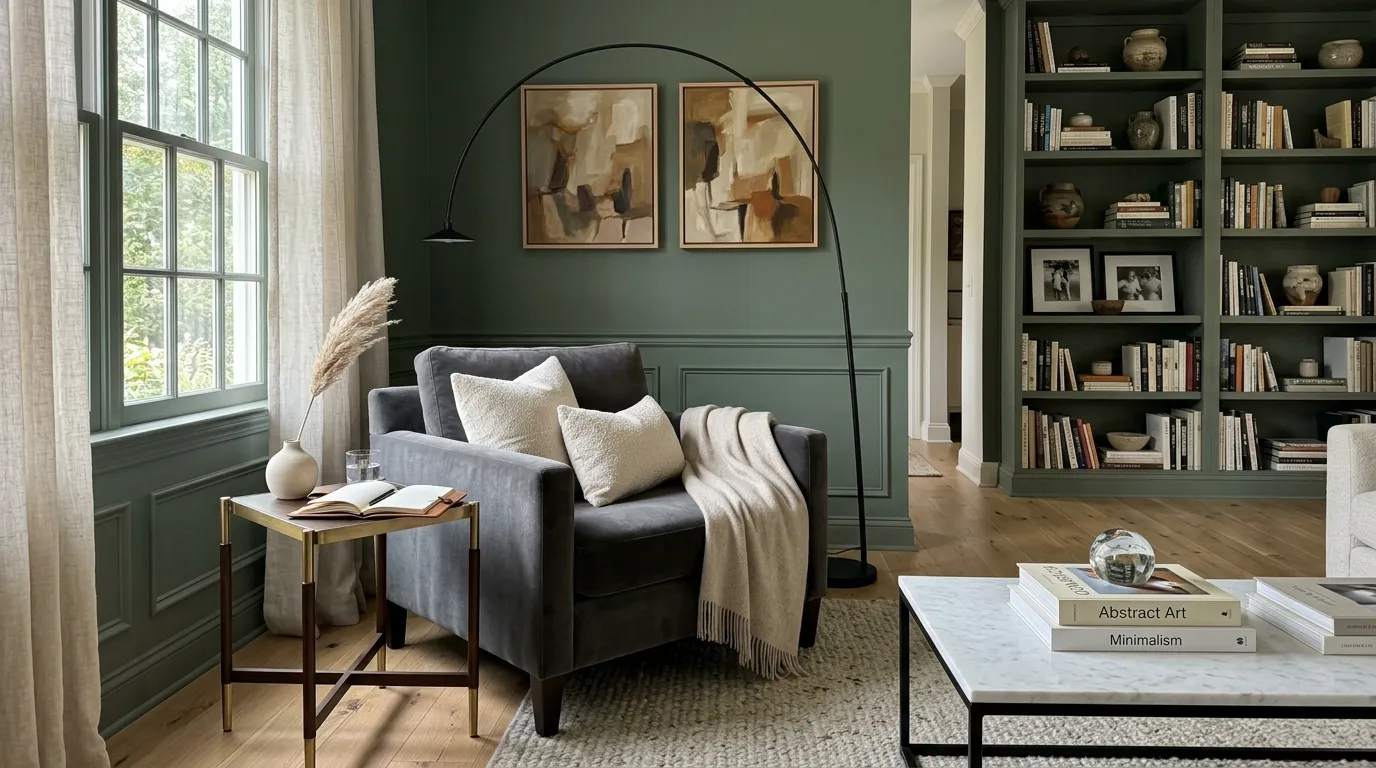
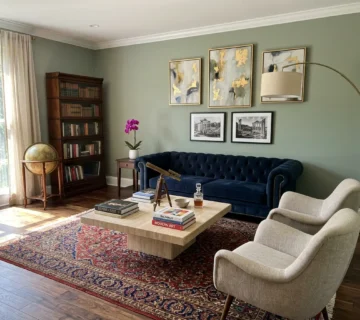
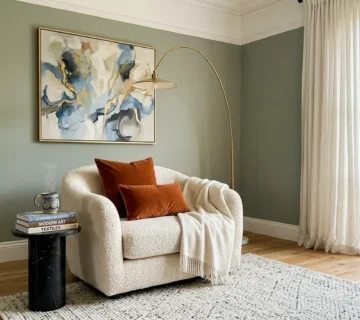
Our homes are far more than mere shelters; they are outward manifestations of our inner worlds, the silent storytellers of our lives. In a world that constantly demands our attention, our homes serve as the ultimate sanctuary, a place where we can retreat, recharge, and truly be ourselves. The choices we make in our living spaces—from the color palettes that adorn our walls to the arrangement of furniture and the objects we choose to display—are rarely arbitrary. Instead, they are profound, subconscious reflections of our personalities, our emotional needs, our histories, and our aspirations. As we curate our environments, we are, in essence, curating a physical representation of our psyche. The image provided, with its calming green walls, inviting armchair, and curated bookshelves, perfectly embodies this concept of home as a deeply personal sanctuary. It is a space designed not just for aesthetic appeal, but for emotional well-being, offering a tangible sense of comfort, intellectual stimulation, and peace. This article dives deep into this unspoken connection, exploring how we can intentionally design our homes to nurture our best selves.
The Psychology of Color: Painting Your Emotional Landscape
The colors with which we surround ourselves are among the most potent tools in shaping the emotional landscape of our homes. Far from being a purely aesthetic choice, color has a direct and measurable impact on our psychological state. The deep, muted green of the walls in the featured image, for instance, is not merely a trend; it is a psychological anchor. Green is inherently linked to nature, growth, and renewal, evoking feelings of balance, harmony, and tranquility. In a sanctuary designed for relaxation and contemplation, such a color choice is almost instinctive, providing a soothing backdrop that lowers stress levels and promotes a sense of calm. Conversely, a room painted in vibrant reds or yellows might be energizing and stimulating, perfect for a creative studio or a lively kitchen, but potentially unsettling in a space intended for rest. Understanding color psychology allows homeowners to move beyond superficial trends and choose hues that actively support the desired mood and function of each room. By aligning our color choices with our emotional needs, we create spaces that not only look beautiful but also feel deeply restorative and aligned with our inner selves.
The Power of the Nook: Dedicated Spaces for Solitude and Recharge
In the architecture of a well-lived life, the creation of dedicated spaces for solitude is paramount. The cozy reading nook depicted in the image—complete with a comfortable velvet armchair, a floor lamp providing focused light, and a side table for a book and a drink—is a prime example of such a sanctuary within a sanctuary. Human beings have an innate need for both social connection and solitary retreat. A 'nook' is a physical manifestation of the need to withdraw, to process thoughts, and to recharge our mental and emotional batteries away from the demands of the outside world. It doesn't have to be an entire room; a thoughtful corner with a comfortable chair, good lighting, and a sense of enclosure is often sufficient. The act of designating a specific spot for relaxation signals to our brain that it is time to decompress. This intentional design fosters a ritual of self-care, making it easier to disconnect from digital noise and reconnect with oneself. Whether it’s used for reading, meditation, journaling, or simply staring out the window, a personal nook is a vital component of a psychologically healthy home.
Curating Your Narrative: The Bookshelf as an Autobiography
Our possessions are the artifacts of our lives, and nowhere is this more evident than on our bookshelves. The built-in shelving unit in the featured image is not just a storage solution; it is a curated autobiography of the homeowner. Every book, every framed photograph, every travel souvenir, and every piece of art tells a story. They represent our interests, our intellectual journeys, the people we love, the places we've been, and the values we hold dear. When we display these items, we are not just decorating; we are affirming our identity. The mix of books on subjects like "Abstract Art" and "Minimalism" suggests a homeowner who values aesthetics, intellect, and thoughtful design. The personal photographs ground the space in personal history and connection. By thoughtfully curating our shelves, we create a visual dialogue with our past and present selves. This process of selection—deciding what to display and what to store away—is itself a psychological exercise in defining who we are. A well-curated bookshelf provides a sense of continuity and comfort, reminding us of our journey and inspiring us for the future.
The Tactile Experience: How Texture Influences Comfort and Security
While the visual aspects of design often take precedence, the tactile experience of a home is equally crucial to our psychological sense of comfort and security. Our sense of touch is powerfully linked to our emotions, and the textures we choose to surround ourselves with can significantly influence how safe and nurtured we feel in a space. The image beautifully illustrates this principle through its layering of textures. The plush velvet of the armchair invites touch and suggests luxury and softness, creating an immediate sense of physical comfort. The nubby texture of the bouclé pillows and the woven rug add depth and warmth, while the smooth, cool surface of the marble coffee table provides a pleasing contrast. These tactile elements work together to create a multi-sensory experience that goes beyond the visual. A home devoid of textural variety can feel sterile and unwelcoming, regardless of its aesthetic beauty. By incorporating a mix of soft, hard, rough, and smooth textures, we create an environment that feels rich, inviting, and physically grounding, satisfying a primal need for comfort and security.
Lighting as an Emotional Conductor: Setting the Mood
Light is one of the most powerful agents of mood regulation in interior design, acting as an emotional conductor that can dramatically alter the feeling of a space. It is not merely a functional necessity but a psychological tool. The featured image demonstrates a masterful use of layered lighting to create a serene and inviting atmosphere. The ample natural light streaming through the window provides a connection to the outside world and regulates our circadian rhythms, promoting alertness and well-being during the day. The elegant floor lamp arcing over the armchair offers a focused, warm pool of light, perfect for creating an intimate zone for reading or relaxation in the evening. This type of task lighting, combined with ambient light from other sources, allows for flexibility in setting the mood. A space lit solely by harsh overhead lights can feel clinical and agitating, whereas a room with varied light sources—table lamps, floor lamps, dimmers, and candles—can be transformed into a soft, warm sanctuary. By understanding and manipulating light, we can curate the emotional tone of our homes, from bright and energizing to soft and restorative.
Minimalism vs. Maximalism: A Psychological Reflection of Inner State
The debate between minimalism and maximalism is often framed as a matter of aesthetic preference, but it is deeply rooted in psychology. Our approach to possessions and clutter is often a mirror of our mental state. The image provided leans towards a thoughtful minimalism, where every object has a purpose or a meaning, and there is ample breathing room. The book "Minimalism" on the coffee table is a literal nod to this philosophy. For many, a clutter-free environment translates to a clutter-free mind. The absence of visual noise can reduce anxiety and promote a sense of calm and order. Conversely, some find comfort and inspiration in maximalism, where a space is filled with collections, colors, and patterns that reflect a vibrant and multifaceted personality. For them, an empty space might feel stark and lonely. Neither approach is inherently superior; the key is to understand which environment best supports your individual psychological needs. The goal is to create a space that feels intentional, whether that means carefully curating a few prized possessions or artfully displaying a lifetime of collections. The home should be a reflection of the self, not a source of stress.
The Future of Sanctuary: Biophilic Design and Mental Health
As we move further into an increasingly digital and urbanized future, the concept of sanctuary is evolving to include a stronger connection to the natural world. Biophilic design—the practice of incorporating nature and natural elements into the built environment—is emerging as a powerful trend rooted in the psychological necessity of this connection. Humans have an innate affiliation with nature, and study after study has shown that exposure to natural elements can reduce stress, lower blood pressure, and improve mood and cognitive function. The featured image subtly incorporates these principles through the use of the pampas grass, the wood flooring, and the botanical green wall color. Future sanctuaries will likely see an even greater emphasis on these elements, with more indoor plants, natural light, organic materials like wood and stone, and even water features. This isn't just about aesthetics; it's about creating homes that actively support our mental and physical health by reconnecting us with the natural world we evolved in. The home of the future will be a restorative oasis that bridges the gap between the indoors and the outdoors.
Conclusion
Your home is a living, breathing entity that evolves in tandem with your own personal growth. It is not a static showroom to be completed and forgotten, but a dynamic canvas for self-expression and a foundational pillar of your well-being. By understanding the deep psychology behind your design choices—from the colors you select to the spaces you carve out for yourself—you can transform your living environment into a true sanctuary. This process of intentional design is a journey of self-discovery, allowing you to align your physical space with your inner needs. As you continue to curate your home, remember that the most beautiful spaces are those that authentically reflect the people who inhabit them. Let your home tell your unique story, support your emotional health, and be the place where you can truly be your best self.

No comment