
We blend human expertise with the intelligence of advanced AI design software to bring you inspired, detail-driven interior concepts every time.
When we walk into our homes, we are stepping into a physical manifestation of our minds. While we often view interior design through the lens of aesthetics, trends, or functionality, the reality is far more profound and psychological. Every choice you make—from the saturation of the wall color to the texture of your sofa fabric and the arrangement of your bookshelves—is a line in an unspoken autobiography. Your home is not merely a shelter; it is a mirror reflecting your values, your emotional baseline, your aspirations, and even your anxieties. This deep dive explores the silent language of the home, decoding how the spaces we curate shape our identities and broadcast the intricate details of our inner worlds to anyone paying close enough attention. By understanding this connection, we can move beyond mere decoration and start curating spaces that genuinely support our psychological well-being.
The Psychology of Color and Emotional Baselines
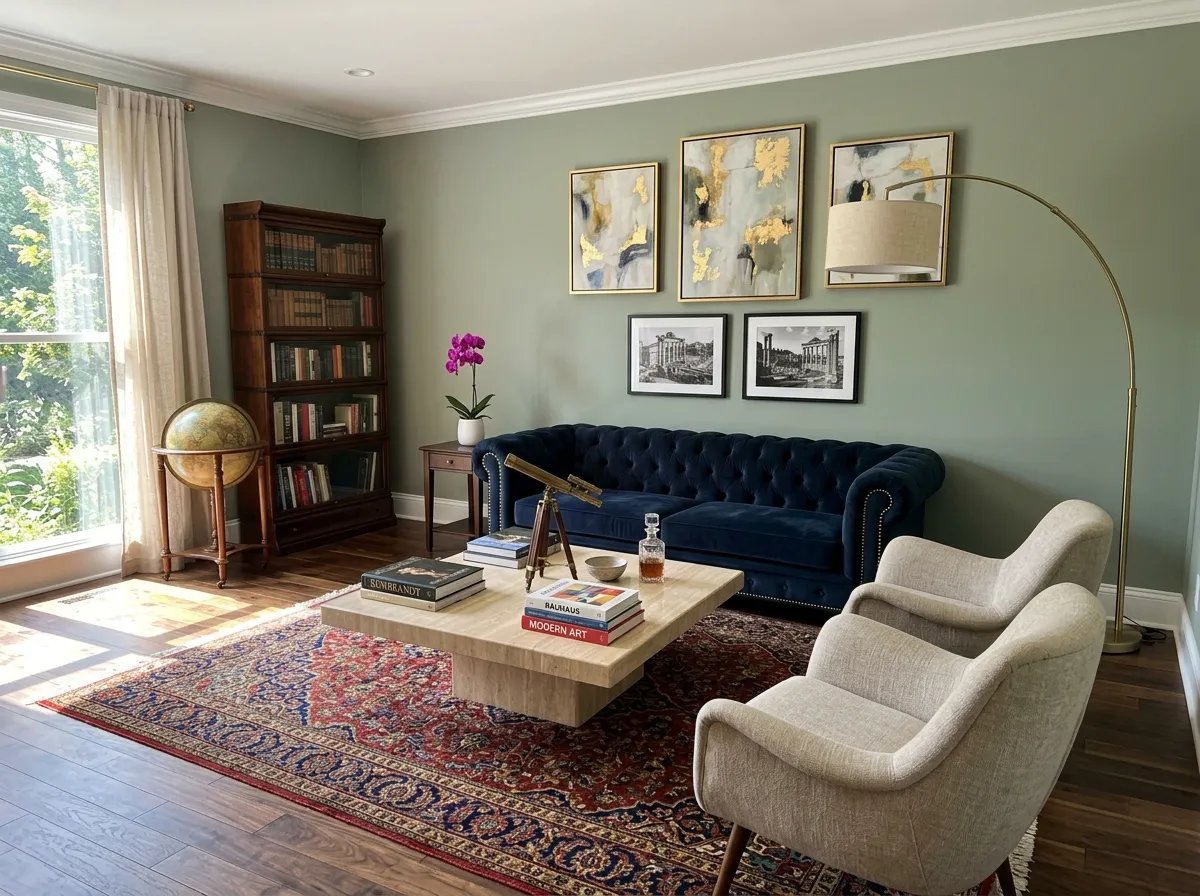
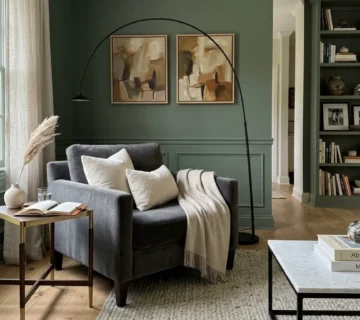
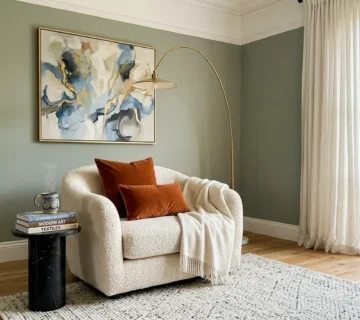
The colors with which we surround ourselves are perhaps the most immediate indicators of our emotional needs and states. While general color psychology often simplifies this—blue for calm, red for passion—the reality is rooted in nuance, saturation, and personal history. A preference for muted, earthy tones, like the sage green seen in many sophisticated living spaces today, often suggests a deep need for grounding, stability, and a connection to the natural world. It indicates a personality seeking sanctuary from the chaotic outside world. Conversely, a home filled with vibrant, highly saturated primary colors may indicate an occupant who thrives on high energy and external stimulation, or perhaps someone actively trying to combat depressive tendencies through forced cheerfulness. The consistent palette throughout a home reveals the emotional baseline the inhabitant is trying to maintain. It’s not just about what looks good; it’s about what feels safe to the nervous system.
Curated Chaos versus Minimalist Control
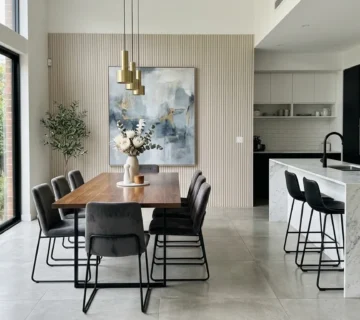
The level of visual noise in a home is a direct reflection of cognitive load and the occupant's need for control. Minimalism, often lauded as the pinnacle of modern living, can sometimes stem from anxiety; an empty countertop can symbolize a desperate need to control one small facet of an otherwise uncontrollable life. For the minimalist, external order is essential for internal calm. On the other end of the spectrum, 'maximalism' or a more cluttered environment isn't necessarily a sign of disorganization. For creative minds, visual stimuli—books piled high, varied collections, layered textures—serve as necessary inspiration. However, when clutter becomes overwhelming and non-curated, it often reflects chronic procrastination, an inability to let go of the past, or a mind overloaded with unprocessed decisions. The sweet spot, a 'curated' home where objects have breathing room but also personal significance, usually indicates a healthy balance between sentimentality and present-moment awareness.
The Historian and the Futurist: Integrating Time Periods
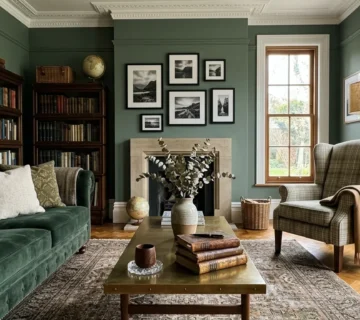
How a homeowner integrates items from different eras tells a compelling story about their relationship with time. A home heavily reliant on antiques, heirloom pieces, or traditional furniture styles—such as a classic barrister bookcase or a vintage globe—suggests a person who deeply values lineage, history, and established knowledge. They find comfort in the proven past and may be somewhat resistant to rapid change. Conversely, a home furnished entirely with cutting-edge, contemporary pieces may indicate a personality focused on the future, innovation, and a desire to detach from previous generations or traditions. The most psychologically balanced homes often strike a harmony, blending the warmth and history of older pieces with the clean lines and functionality of modern design. This mix signifies an individual who respects their roots while remaining open to growth and new experiences, successfully bridging who they were with who they are becoming.
Intellectual Signalling: Bookshelves and Media
What we choose to display on our coffee tables and bookshelves is rarely accidental; it is a form of intellectual signalling. A well-stocked library, particularly one filled with diverse and dense topics, acts as a credential of curiosity and worldview. It tells visitors that knowledge and intellectual exploration are core values of the household. The presence of specific items, like telescopes, maps, or musical instruments, reinforces this commitment to learning and skill acquisition. However, there is a distinction between a working library and a performative one. Are the spines cracked? Are the books seemingly arranged solely by color for an aesthetic purpose? The authenticity of these displays reveals whether the homeowner truly engages with these intellectual pursuits or if they are curating an 'idealized self'—the person they wish they had the time or discipline to be. This aspiration is healthy, but it’s crucial to distinguish between genuine interest and decorative intellect.
The Texture of Comfort: Sensory Processing in Decor
The tactile experience of a home is often undervalued but is incredibly revealing about an individual's sensory processing needs. We choose textures that soothe our specific nervous systems. Someone drawn to rich velvet sofas, high-pile rugs, and heavy drapery is likely seeking deep sensory comfort and envelopment—a 'cocooning' effect that provides emotional security. These textures offer a soft landing place at the end of a hard day. In contrast, an preference for sleek leather, polished concrete, cool marble, and sparse textiles might indicate a person who gets easily overwhelmed by sensory input and requires a 'cool,' clean environment to decompress. They find comfort in absence rather than abundance. Understanding your own sensory needs is vital to creating a restorative home; forcing a minimalist aesthetic on someone who needs tactile comfort will result in a space that feels sterile and unwelcoming to them, regardless of how trendy it looks.
Proxemics and the Architecture of Connection
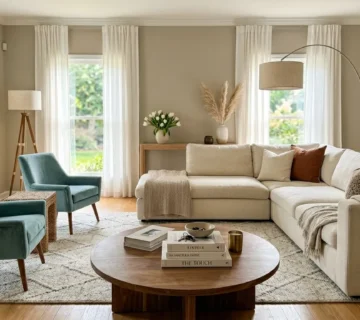
Proxemics is the study of human use of space and the effects that population density has on behavior, communication, and social interaction. In the home, this translates to furniture arrangement. How you orient your seating dictates the social life of that room. A living room where all seating is aimed directly at a large television dictates passive, parallel consumption of media. It suggests a household where entertainment supersedes conversation. Alternatively, a layout featuring sofas and chairs facing one another across a central coffee table forces eye contact and encourages dialogue. It prioritizes connection and community. Even the distance between chairs matters; too far apart creates formality, while too close creates intimacy that some might find intrusive. A homeowner who intuitively creates conversational groupings is likely socially oriented and values deep connection, whereas awkward or disconnected layouts may reflect social anxiety or a preference for solitude.
Aspirational Decor: The Gap Between Actual and Ideal Self
A significant portion of home decor is often 'aspirational'—items purchased not for the life we currently live, but for the life we hope to live one day. This includes the intricate pasta maker that has never been used, the formal dining table set for twelve when you rarely host more than two, or the dedicated meditation corner that gathers dust. These objects represent the 'ideal self.' While having aspirations is positive, a home overloaded with aspirational decor can become a source of subconscious guilt and inadequacy. Every time you walk past that unused treadmill or that unread pile of classic literature, it registers as a small failure. A psychologically healthy home balances these aspirations with the reality of daily life, ensuring that the space serves the person you are today, while gently encouraging the person you want to become, rather than shaming you for not being there yet.
Conclusion
Ultimately, there is no 'correct' way to decorate a home, but there is a more conscious way. By recognizing that your environment is a continuous feedback loop with your psyche—reflecting your inner state while simultaneously influencing it—you gain a powerful tool for self-awareness and personal growth. Your home is the one place on earth where you have total control over the narrative. Stop regarding decor as superficial and start seeing it as foundational to your well-being. When you align your external space with your authentic internal needs, you don't just get a beautiful house; you get a supportive home that actively helps you become the best version of yourself.

No comment