
We blend human expertise with the intelligence of advanced AI design software to bring you inspired, detail-driven interior concepts every time.
Our homes are not merely physical structures that shelter us from the elements; they are complex, ever-evolving tapestries that mirror our innermost selves. Beyond the surface-level aesthetics of color palettes and furniture choices lies a deeper, unwritten narrative about who we are, what we value, and the unconscious habits that shape our daily lives. Every object you choose to display, the way you arrange your furniture, and even the items you tuck away in closets are subtle clues to your personality, your emotional needs, and your cognitive style. This article embarks on a psychological deep-dive into the world of home decor, exploring the intricate connection between our environment and our psyche. We will move beyond fleeting design trends to uncover the profound ways in which our living spaces reflect our authentic selves, serving as both a sanctuary for our vulnerabilities and a stage for our aspirations. Prepare to look at your home in an entirely new light, as a psychological footprint of your unique identity.
The Psychology of the Bookshelf: A Curriculum Vitae of the Mind
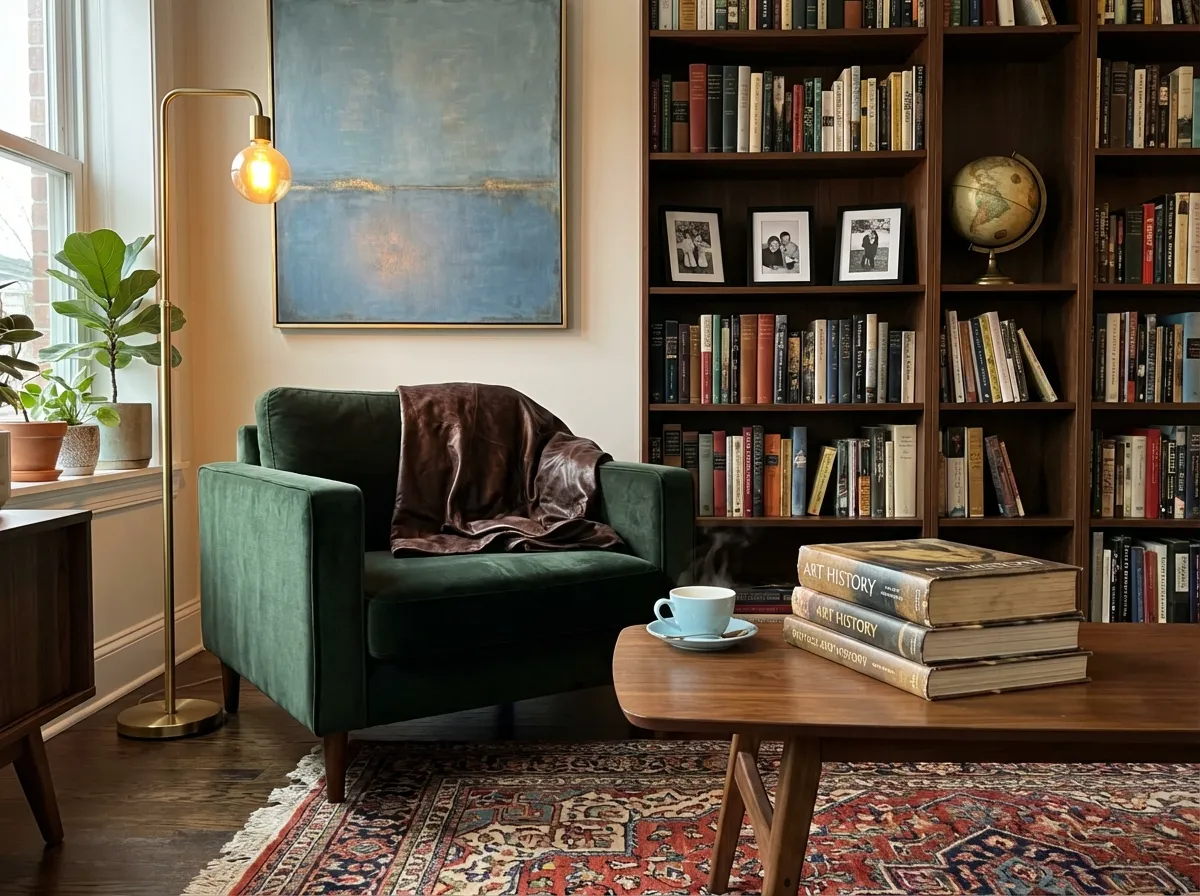
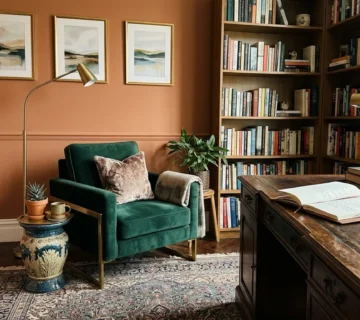
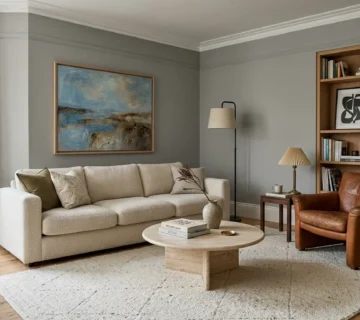
A well-stocked bookshelf, much like the one pictured in our featured image, is rarely just a storage solution for paper and ink. It is, in many ways, a curated public resume of your intellect, interests, and aspirations. The selection of books you choose to display—whether they are dog-eared classics, pristine art history volumes, or a sprawling collection of contemporary fiction—speaks volumes about the knowledge you value and the image you wish to project. The arrangement itself is equally telling. Are your books meticulously organized by genre or author, suggesting a methodical and disciplined mind? Or are they stacked in a more organic, perhaps slightly chaotic, fashion, indicating a creative spirit comfortable with a degree of disorder? The presence of unread 'aspirational' books can reveal your future goals, while a collection of well-worn favorites points to the comforting narratives you return to for solace. Even the inclusion of non-book items, like framed photos or a globe, transforms the shelf into a personal altar, grounding your intellectual pursuits within the context of your personal history and relationships.
The Sanctuary Space: Decoding Your Need for Solitude and Comfort
The creation of a dedicated 'nook,' such as the inviting armchair scene in our example, is a powerful indicator of a person's psychological need for restoration and solitude. In a world that is increasingly connected and demanding, carving out a physical space solely for relaxation, reading, or contemplation is an act of self-preservation. The choice of furniture for this sanctuary—a plush velvet armchair that seems to envelop you versus a sleek, minimalist seat—reflects the level of sensory comfort you require to decompress. The placement of this nook is also significant. Is it tucked away in a quiet corner, shielding you from the household's main activity? Or is it positioned by a window, allowing for a connection to the outside world from a safe distance? This spatial arrangement can reveal your position on the introversion-extroversion spectrum, highlighting how you recharge your emotional batteries and the degree of separation you need from your social environment to feel truly at peace.
The Emotional Language of Textures: Seeking Security Through Touch
While color psychology is a well-known concept, the psychological impact of texture is often underestimated. The tactile experience of our home environment plays a crucial role in emotional regulation. Our featured image showcases a rich interplay of textures: the soft, luxurious pile of the green velvet chair, the smooth, cool touch of the leather throw, the warmth of the wooden furniture, and the intricate weave of the rug. People who are drawn to soft, plush, and enveloping fabrics like velvet, faux fur, or chunky knits often have a higher need for comfort, security, and emotional nurturing. These textures act as a physical embrace, providing a sense of safety and soothing anxiety. Conversely, a preference for sleek surfaces like glass, polished metal, or smooth concrete can indicate a desire for clarity, order, and a more modern, efficient approach to life, where emotional clutter is minimized. The textures we surround ourselves with are a direct reflection of how we seek to soothe our nervous systems through our sense of touch.
Personal Artifacts as Anchors of Identity and Memory
The objects we choose to display that have no purely functional purpose—framed family photographs, souvenirs from travels (like the globe in the image), heirloom pieces, or quirky collectibles—are the emotional anchors of our home. They serve a vital psychological function by rooting us in our personal history and affirming our identity. These items are tangible reminders of who we are, where we come from, and the relationships that matter most to us. A home devoid of personal artifacts can sometimes feel sterile or transient, suggesting a person who is perhaps focused solely on the present or future, or who prefers to keep their inner life guarded. On the other hand, a space richly layered with personal mementos reveals a person who deeply values connection, nostalgia, and the narrative of their own life. The way these items are curated—whether they are clustered together in a shrine-like display or sprinkled throughout the home—can also indicate how we integrate our past into our present daily life.
The Art of Imperfection: The 'Lived-In' Look vs. The Showroom
There is a profound psychological difference between a home that looks like a flawless showroom and one that feels authentically 'lived-in.' The latter, characterized by signs of life such as a steaming teacup on a table, a throw blanket casually draped rather than perfectly folded, or books that are slightly askew, suggests a healthy relationship with imperfection. Embracing these small signs of daily use indicates a mindset that prioritizes comfort, spontaneity, and genuine living over rigid control and outward appearances. A perfectly manicured, pristine home, while aesthetically pleasing, can sometimes mask an underlying anxiety or a compulsive need for order and control, where the inhabitants feel they must constantly maintain a facade of perfection. The ability to tolerate, and even celebrate, the slight messiness of everyday life in your decor choices points to a more relaxed, adaptable, and self-compassionate personality that values the experience of living over the appearance of perfection.
Historical Context: From Formal Parlor to the Psychology of 'Hygge'
The way we view and utilize our living spaces has undergone a significant historical shift, reflecting broader societal changes in psychology and values. In the past, the 'parlor' or formal living room was a space designed primarily for impressing guests, often filled with uncomfortable furniture and items that were off-limits for daily use. It was a stage for social performance, not personal relaxation. Today, the trend has shifted dramatically towards concepts like the Danish 'hygge,' which prioritizes comfort, coziness, and well-being above all else. This shift represents a collective psychological move towards valuing authentic connection, self-care, and the creation of a personal sanctuary in an increasingly chaotic world. Our modern homes, with their emphasis on comfortable seating, warm lighting, and personal touches (like the scene in our featured image), are a direct reflection of this historical evolution towards prioritizing the mental and emotional health of the inhabitants over rigid social formalities.
Practical Intentionality: An Audit for Deciphering Your Own Space
Understanding the psychological language of your home is the first step towards creating a space that truly supports your well-being. A practical way to do this is to conduct a 'home audit' with the eyes of a stranger. Walk through your rooms and ask yourself what the objects you see convey about the person living there. Are there items you are keeping out of guilt or obligation, rather than genuine love or utility? Are your spaces arranged to facilitate the activities that bring you joy, like reading or conversing, or are they dictated by convention (e.g., all furniture pointing at a television)? This exercise in intentionality allows you to edit your environment, removing the 'psychological clutter' that doesn't serve you and curating a space that aligns with your authentic self. By becoming conscious of the hidden messages in your decor, you can transform your home from a passive backdrop into an active tool for personal growth, comfort, and self-expression.
Conclusion
In conclusion, our homes are far more than just a collection of furniture and decorations; they are dynamic, psychological landscapes that offer a profound window into our true selves. By learning to read the unwritten story of our decor—from the books on our shelves and the textures we crave to the personal artifacts we cherish—we gain invaluable insights into our personality, our emotional needs, and our hidden habits. Embracing this deeper understanding allows us to move beyond superficial design trends and create living spaces that are not only aesthetically pleasing but also deeply nourishing to our souls. Your home is a mirror; dare to look closely at the reflection it offers, and you may find that the key to a more authentic and fulfilling life has been hiding in plain sight within your own four walls.

No comment