
The Battlefield of Domesticity: How the Kitchen-Dining Axis Undermines Relationships
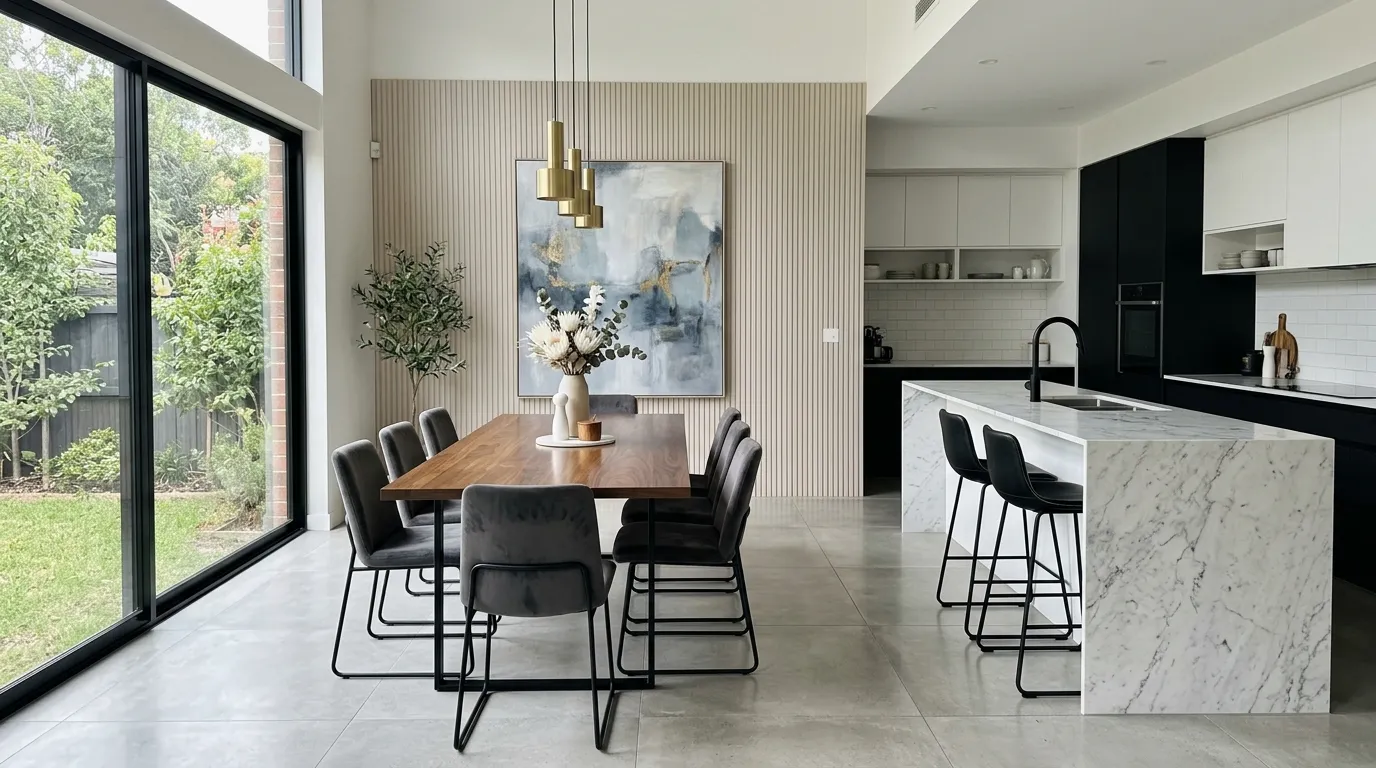
When we think of relationship breakdowns, popular culture and our own assumptions often lead us straight to the bedroom. It's portrayed as the barometer of intimacy, the place where connection thrives or withers. However, after years of observing how people live, interact, and design their homes, a different truth emerges. The real crucible of modern marriage isn't the private sanctuary of sleep and sex; it's the brightly lit, high-traffic hub of the home: the kitchen and dining area. This is where the logistical weight of shared life rests, where the 'business' of the partnership is conducted, and where the friction of daily existence most often sparks into a flame. The image above, a beautiful modern open-plan space, represents the aspirational ideal, but the reality played out within such walls is often far more complex, filled with unspoken tensions, unequal burdens, and missed opportunities for connection. It is here, amidst the clatter of cutlery and the hum of the refrigerator, that the silent resentments that erode a marriage truly begin to fester.
The Myth of the Bedroom vs. The Reality of the Kitchen
The cultural narrative that centers relationship health on the bedroom is a convenient, but ultimately misleading, simplification. While intimacy is undoubtedly a crucial pillar of a romantic partnership, it is rarely the primary cause of a foundational crack. The bedroom is often where the symptoms of a deeper malaise manifest, not where the disease originates. The true work of a marriage—the negotiation of roles, the management of resources, the coordination of schedules, and the countless micro-interactions that build or break trust—happens in the common areas, most notably the kitchen. This is the engine room of the home, the space where we are most likely to be tired, stressed, hangry, and multi-tasking. It's where the romantic veneer is stripped away, revealing the raw mechanics of co-existence. If the bedroom is about the ideal of the relationship, the kitchen is about its blunt reality. When that reality becomes a source of constant low-grade conflict, the foundation of the partnership begins to crumble, long before the issue ever reaches the bedroom door.
The Intersection of Logistics and Emotion
The kitchen is a unique space because it is where the logistical demands of life collide head-on with our emotional states. It is not just a place for preparing food; it is the command center for the household's operations. Meal planning, grocery lists, school schedules, and financial discussions often converge around the kitchen island. This high concentration of administrative tasks creates a fertile ground for stress. When one partner feels overburdened by the mental load of these logistics, the kitchen becomes a physical manifestation of that inequity. A sink full of dirty dishes is no longer just a chore; it becomes a symbol of disrespect or a lack of support. A simple question like 'What's for dinner?' can be interpreted as a demand rather than an inquiry, triggering feelings of overwhelm and resentment. The emotional weight we carry from our day is often unloaded in this space, and when both partners are depleted, the kitchen transforms from a place of nourishment into a zone of friction where every task feels like a negotiation and every interaction is fraught with potential conflict.
The Open-Plan Paradox: Connection or Constant Surveillance?
The rise of open-plan living, beautifully exemplified in the provided image, has been lauded for its ability to foster connection and togetherness. The idea that the cook is no longer isolated in a separate room but can interact with family members in the dining or living areas is undeniably appealing. However, this design trend has also introduced a new psychological dynamic: the loss of private, restorative space. In an open-plan layout, you are almost always 'on'. There is no physical barrier to signal a need for solitude or a moment of decompression after a long day. Your actions, your mood, and even your moments of idleness are on display. This constant visibility can create a subtle form of surveillance pressure, where partners feel they cannot truly relax without being observed or judged. The lack of acoustic and visual separation means that tension in one area immediately bleeds into another. A disagreement in the kitchen is no longer contained; it permeates the entire living space, leaving no room for retreat or de-escalation. The very design intended to bring us together can, paradoxically, drive us apart by eroding the necessary boundaries of personal space.
The Dialogue of Dinner: What's Really Being Said?
The dining table has long been romanticized as the altar of family life, the sacred space where we come together to break bread and share our day. While this is a beautiful ideal, the reality for many couples is that the dinner table is where the day's accumulated tensions are served alongside the meal. It is often the first time in the day that partners sit face-to-face, and if there are underlying issues, the silence can be deafening, or the conversation can quickly turn into a minefield of passive-aggressive comments. The act of eating itself can become a source of contention—from differences in dietary preferences and criticisms of cooking to battles over table manners with children. Instead of a time for connection, the meal becomes a performance of functionality, where the goal is simply to get through it with minimal conflict. The physical setup, too, plays a role. A large, formal dining table can create physical distance that mirrors emotional distance, while a cramped space can lead to physical irritation that fuels emotional outbursts. The dialogue that happens—or fails to happen—at this table is a powerful indicator of the relationship's health.
The 'Second Shift' and Invisible Labor
Nowhere is the concept of the 'second shift'—the unpaid domestic labor performed after a day of paid work—more visible than in the kitchen. Despite strides toward gender equality, sociological studies consistently show that women still shoulder a disproportionate amount of household chores, particularly those related to cooking and cleaning. This imbalance is a potent poison for a marriage. The kitchen becomes the stage where this inequity is played out daily. One partner may feel like a project manager, constantly delegating tasks or, more often, just doing them themselves to avoid the conflict of asking. This invisible labor—the planning, the remembering, the noticing what needs to be done—is mentally exhausting and breeds deep resentment. When one person feels they are carrying the weight of the household's survival, the kitchen becomes a symbol of their solitude and lack of support. This isn't just about who does the dishes; it's about a fundamental feeling of being undervalued and taken for granted, a feeling that corrodes the very essence of a partnership.
Design Psychology: How Layout Influences Interaction
We often underestimate the profound impact our physical environment has on our behavior and interactions. The layout of a kitchen and dining area can actively promote cooperation or incite conflict. A poorly designed kitchen with bottlenecks, insufficient counter space, or a 'one-cook' layout can lead to physical bumping, frustration, and a sense of being in each other's way. This physical friction easily translates into emotional friction. Conversely, a kitchen designed with multiple zones, ample prep space, and clear pathways allows two people to work simultaneously without stepping on each other's toes, fostering a sense of teamwork. The presence of an island, like the stunning marble one in the image, can act as a natural divider, providing a boundary that allows for separate activities while still being in the same space. It can be a place for one partner to sit and chat while the other cooks, bridging the gap between work and leisure. Understanding the psychology of space and designing for flow and co-existence is a practical way to reduce daily stressors and improve the quality of interactions.
Reclaiming the Heart of the Home: Practical Design Solutions
Acknowledging the kitchen as a potential conflict zone is the first step toward reclaiming it as the heart of the home. This doesn't necessarily require a full renovation; often, small, intentional changes can have a significant impact. Start by creating a dedicated 'command center' for mail, calendars, and keys to keep administrative clutter off the kitchen island, separating the logistics from the living space. Implement clear organizational systems that everyone in the household understands and can maintain, reducing the friction of 'where is the…' questions. Consider the lighting: use dimmer switches to transition the space from a bright, functional workspace for cooking to a warmer, softer ambiance for dining, signaling a shift in mood and purpose. Create a 'decompression zone' near the entryway where partners can take a few minutes to transition from work mode to home mode before entering the kitchen hub. By designing the space to minimize friction and support positive interactions, you can transform the kitchen from a battlefield back into a sanctuary for connection.
Conclusion
Ultimately, the room where most marriages fall apart is the one where life is most intensely lived. The kitchen and dining area is a microcosm of the relationship itself, a space where the delicate balance of partnership is tested daily against the grind of routine, the pressure of logistics, and the weight of unspoken expectations. By shifting our focus from the bedroom to this true center of domestic life, we can begin to address the root causes of disconnection. Recognizing the psychological power of this space, acknowledging the imbalances in labor it often harbors, and intentionally designing it to foster cooperation rather than conflict are crucial steps. It's about transforming the kitchen from a place of mere function and potential friction into a space that nurtures not just our bodies, but the relationship itself.





No comment