
We blend human expertise with the intelligence of advanced AI design software to bring you inspired, detail-driven interior concepts every time.
Our homes are far more than mere structures of wood and drywall; they are living, breathing physical manifestations of our inner worlds. Every object placed, every color chosen, and even the disarray we allow is a sentence in an ongoing, unscripted autobiography. While we often stage our spaces for an external audience—tidying up before guests arrive to project a certain persona—the true narrative lies in the everyday reality of how we inhabit our rooms. This deep-dive delves into the psychology of home design, exploring how our subconscious drives our decor choices and what our living spaces reveal about our values, our history, and our emotional state. From the comforting embrace of a worn armchair to the stories held within a crowded bookshelf, we will decode the silent language of your home to uncover the authentic, unvarnished story of your inner life. It’s an invitation to look at your surroundings with fresh eyes and understand the profound connection between your space and your self.
The Psychology of Attachment: Why We Keep What We Keep
The objects with which we surround ourselves are rarely just functional items; they are repositories of memory and emotion. The psychology of attachment explains that we imbue physical objects with sentimental value, transforming them into tangible links to our past, our loved ones, or key moments in our personal history. A chipped mug from a memorable trip, a handed-down piece of furniture, or a collection of seemingly insignificant trinkets can hold immense psychological weight. Keeping these items provides a sense of continuity and security in an ever-changing world. They act as anchors to our identity, reminding us of who we have been and the experiences that have shaped us. However, this attachment can become problematic when it leads to excessive clutter or an inability to let go of the past, preventing growth. Understanding the 'why' behind the items you choose to keep is the first step in decoding your home's narrative. Are you holding onto things out of genuine love and positive memory, or out of guilt, obligation, or a fear of forgetting? Recognizing the difference is crucial for curating a space that truly reflects your present self while honoring your history.
The Bookshelf as a Mirror of the Mind
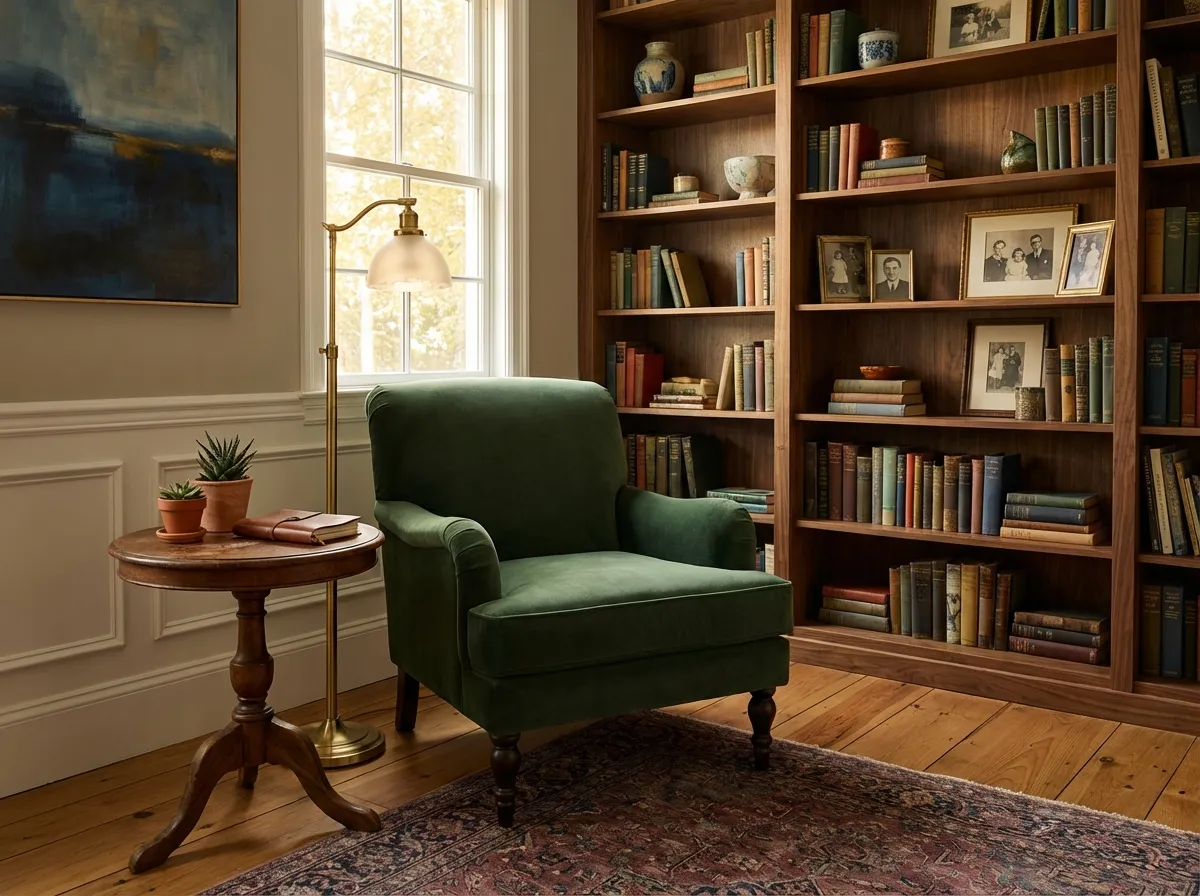
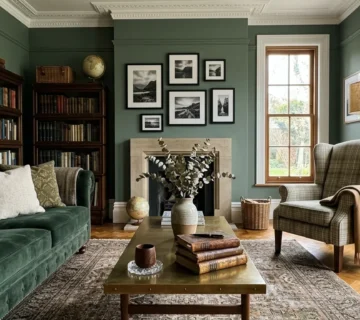
A bookshelf is often one of the most revealing elements in a home, serving as a direct window into the inhabitant's intellectual journey and interests. As seen in the featured image, a well-stocked bookshelf is not just decor; it's a curated collection of knowledge, aspirations, and escapism. The titles you choose to display tell a story about what topics engage your mind, what problems you are trying to solve, and what worlds you dream of visiting. A collection heavy on history biographies suggests a person rooted in the past and interested in human narratives, while shelves filled with science fiction indicates a forward-looking, imaginative mind. Even the way books are arranged—alphabetized, color-coded, or piled in a seemingly haphazard manner—speaks volumes. A meticulously organized shelf may point to a need for order and control, while a more relaxed arrangement could indicate a creative, spontaneous personality. Furthermore, the presence of worn, dog-eared books alongside pristine, unread volumes highlights the tension between our actual intellectual habits and our aspirational selves—the person we are versus the person we prefer to be seen as.
The Sanctuary Spot: Deconstructing Your "Safe Space"
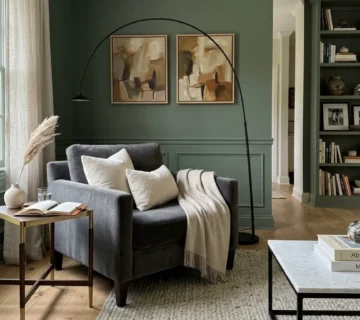
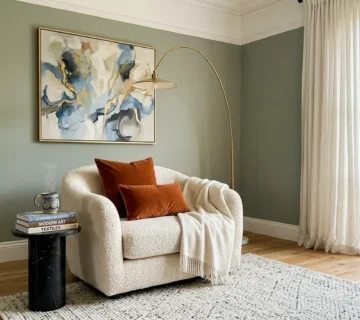
Every home has a specific area that its inhabitant gravitates towards for comfort and solace—a "power spot" or sanctuary. In the featured image, the green velvet armchair by the window represents just such a space. It is a dedicated zone for relaxation, reflection, and perhaps escape into a book. The choice of this specific spot is not random. Its location, perhaps offering a view of nature or being tucked away in a quiet corner, fulfills a subconscious need for security and prospect. The furniture itself, like the inviting armchair, is chosen for its tactile comfort, offering a physical embrace that soothes the nervous system. The objects placed nearby, such as the floor lamp for warm lighting and the small table with a journal and plants, further define the purpose of this space as one for nurturing the self. Analyzing your own sanctuary spot—where it is, what's in it, and what you do there—can reveal deep insights into your coping mechanisms and what you require to recharge your mental and emotional batteries.
Clutter and Clarity: What Disorganization Reveals
The state of tidiness in a home is a dynamic indicator of mental state. While a certain amount of lived-in mess is normal and healthy, chronic clutter can be a physical manifestation of internal chaos. Psychologically, clutter can represent delayed decisions, a fear of letting go, or a mind overwhelmed by too many stimuli. It can act as a physical barrier, protecting the inhabitant from having to deal with underlying emotional issues. Conversely, extreme minimalism and rigid order can sometimes mask a deep-seated need for control and a fear of unpredictability. The unvarnished story is often found in the spaces we hide—the junk drawer, the chaotic closet, the piled-up desk. These areas can reveal the parts of our lives we are procrastinating on or finding difficult to manage. The goal is not a sterile, magazine-perfect home, but a space where the level of organization supports, rather than hinders, your daily life and mental clarity. Recognizing the emotional roots of your clutter is a powerful step towards creating a more harmonious and authentic living environment.
The Evolution of Your Aesthetic: A Timeline of Personal Growth
Your home is not a static exhibit but a dynamic timeline of your personal growth. As you move through different life stages—from student life to early career, perhaps to partnership or parenthood, and eventually to later life—your needs, values, and tastes evolve, and your home reflects these shifts. The band posters of your college dorm give way to framed art that resonates with a more mature self. The futon is replaced by a quality sofa as financial stability and a desire for lasting comfort increase. When living with a partner, the home becomes a negotiation of two separate narratives merging into one, requiring compromise and the blending of styles. The arrival of children introduces a new layer of functionality and often a temporary surrender to chaos, followed by a reclaim of adult space as they grow. Looking back at how your living spaces have changed over time provides a fascinating map of your journey, highlighting the milestones, changing priorities, and personal development that have defined your life's path.
The Social vs. The Solitary Self: Public vs. Private Spaces
Most homes contain a mix of public spaces intended for guests and private spaces reserved for the inhabitants. The contrast between these areas can be highly revealing of the tension between our social persona and our authentic self. The living room and dining area are often curated to project a specific image—one of style, order, and hospitality. We may choose impressive art, keep these areas tidier, and display objects that signal our status or cultural capital. In contrast, the bedroom, bathroom, or a personal study often tells a more unvarnished truth. These private sanctuaries are where we let our guard down. They may contain more personal mementos, be less organized, and prioritize comfort over aesthetics. The clothes draped over a chair, the half-finished projects, and the truly personal items are found here. Analyzing the disparity between how you present your public spaces versus your private ones can offer insights into how much energy you invest in performing a social role versus nurturing your inner, private world.
Mindful Curation: Designing for Authenticity, Not Just Aesthetics
To create a home that tells an authentic, supportive narrative, one must move beyond mere aesthetics and engage in mindful curation. This involves a conscious effort to align your environment with your true values and needs, rather than blindly following trends or trying to impress others. Before bringing a new item into your home, ask yourself 'why'. Does it serve a functional purpose? Does it spark genuine joy or connect you to a positive memory? Does it align with the person you are or are becoming? Mindful curation is about choosing quality over quantity and significance over superficiality. It means having the courage to let go of items that no longer serve you, even if they were expensive or gifted. It involves creating spaces that support your well-being, whether that's a dedicated spot for a hobby, a kitchen organized for healthy cooking, or a bedroom designed for restful sleep. A mindfully curated home is not perfect, but it is deeply personal, resonant, and a true reflection of the unique individual who inhabits it.
Conclusion
Your home is a dynamic, living document of your self, constantly being edited and revised as you evolve. There is no final, perfect version, only the ongoing process of living. Embracing the unscripted narrative of your home means accepting its imperfections—the worn rug, the cluttered desk, the mismatched mugs—as integral parts of your authentic story. It’s about moving away from the pressure of creating a showroom and towards cultivating a supportive environment that deeply resonates with who you truly are. By learning to read the silent language of your space, you gain a powerful tool for self-reflection and a foundation for creating a home that not only looks good but feels profoundly right for your inner life.

No comment